

The temperature of the water used when brewing coffee is a crucial factor that can significantly influence the extraction process and shape the final taste profile. In this guide, we delve into the nuances of water temperature and its impact on different types of coffee brewing methods.
Coffee owes much of its complexity to a quality that might surprise some: acidity. Acidity is a nuanced attribute that contributes significantly to the overall flavor profile, balance, and vibrancy of the brew.
Let's embark on a journey into the heart of sustainable farming methods in coffee production, exploring the numbers, the strategies, and the profound impact on the world we wake up to.
The coffee plant gives rise to a variety of coffee beans, each with its unique flavor profile, aroma, and characteristics. Among the numerous coffee species, four major types stand out: Arabica, Robusta, Excelsa, and Liberica.
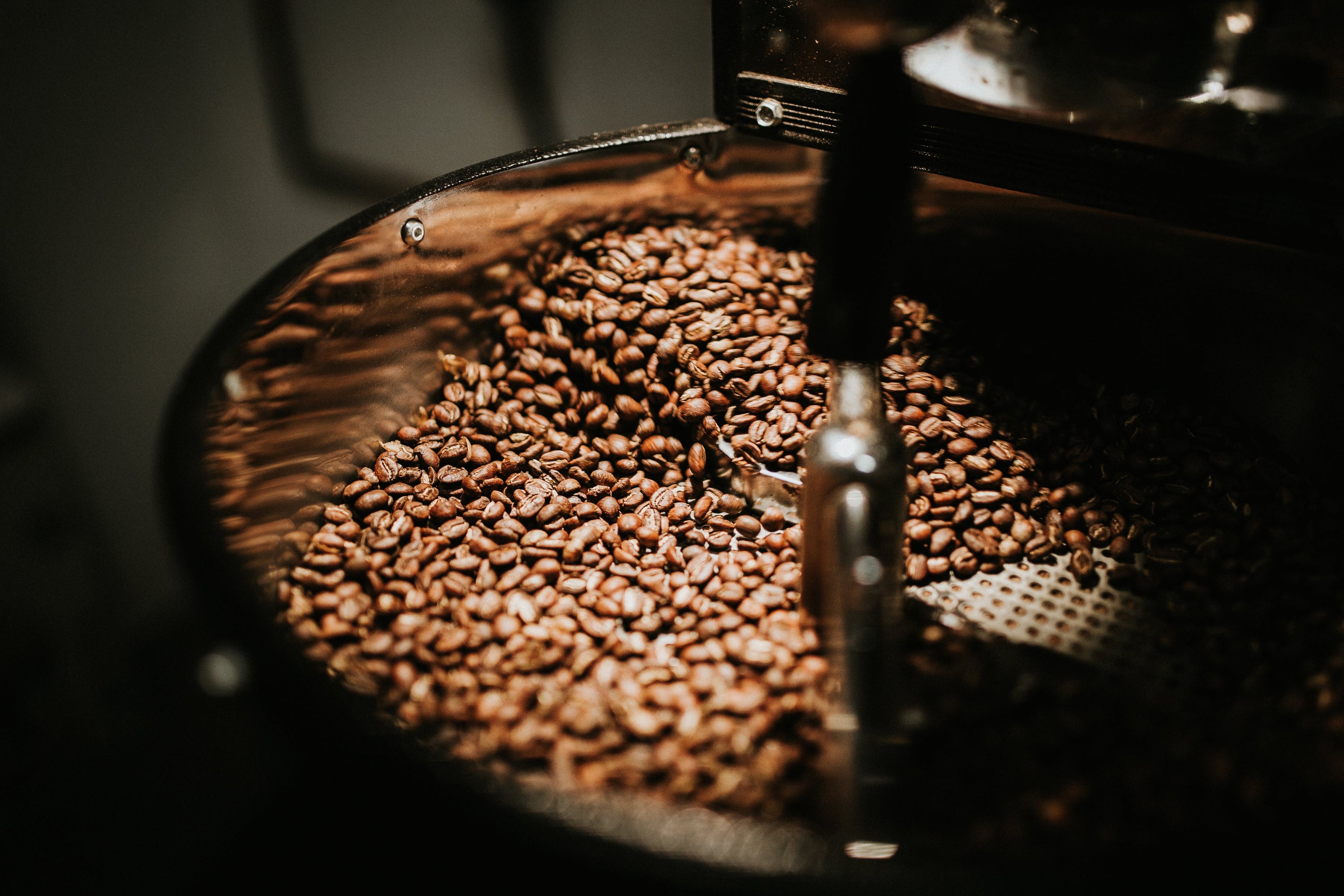
Coffee owes much of its rich and diverse flavor profile to a process that can be misunderstood and sometimes done clumsily: roasting. The journey from green coffee beans to your morning cup involves a meticulous process that transforms the beans into the aromatic and flavorful essence we all love.